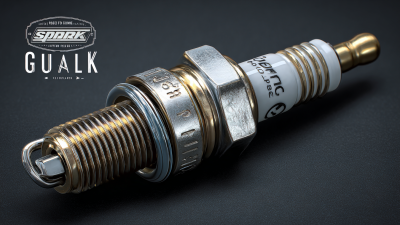
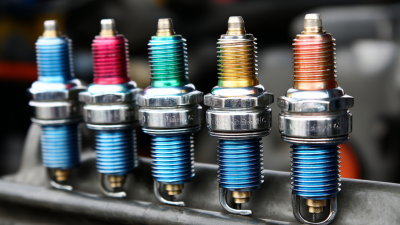
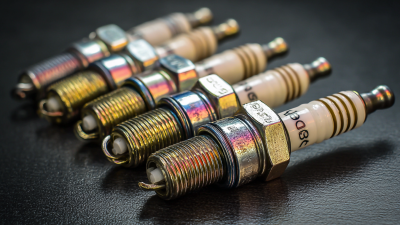
You know, a spark plug might seem like a tiny part of your car, but it’s actually pretty important when it comes to starting up and running smoothly. It’s what creates that high-voltage spark to ignite the air and fuel mixture in your engine — kind of like the spark that kicks everything into gear. Without it, your vehicle would definitely struggle to start or keep running reliably.
A lot of folks don’t really realize how vital a good spark plug is. If it’s worn out or faulty, not only does your car perform poorly, but it can also produce more emissions, which isn’t great for the environment. Plus, skipping regular maintenance on your spark plugs can end up costing you a lot more in the long run with expensive repairs. So, it’s a good idea to check on them now and then.
Getting a little familiar with how a spark plug works can actually help you keep your vehicle in better shape. It’s not just a random metal piece — it’s a key player for your engine’s health. When your spark plugs are in good shape, your car runs more efficiently, saves you fuel, and is less likely to give you trouble. Spending a bit of time doing simple inspections can really pay off, making your ride more reliable and stress-free.
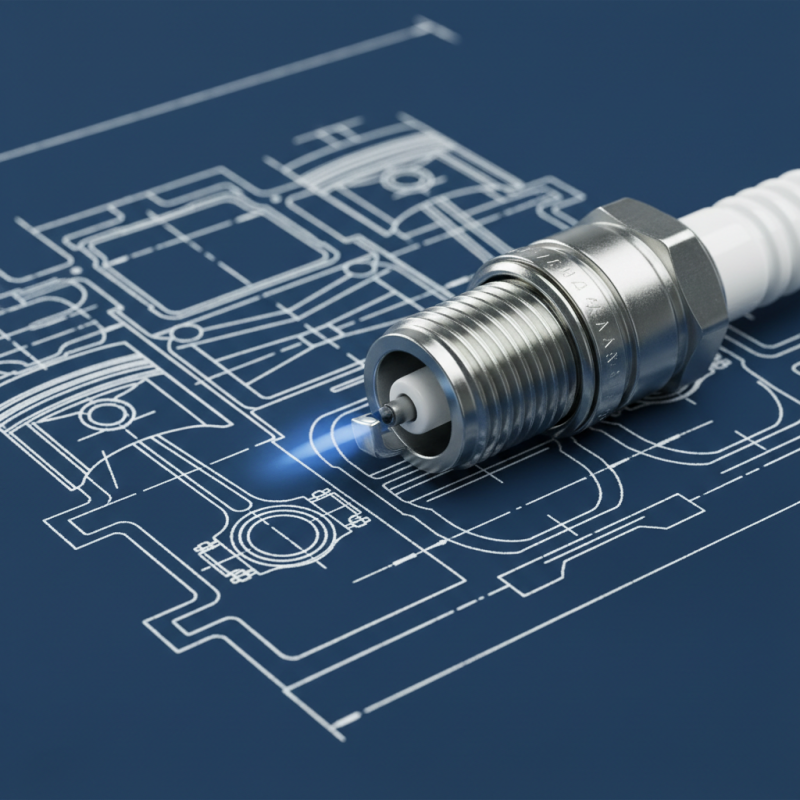
What is a Spark Plug: Definition and Overview
A spark plug is a crucial part of an internal combustion engine. It ignites the air-fuel mixture, allowing the engine to function. Typically, a vehicle can have multiple spark plugs, often one for each cylinder. For example, a V8 engine has eight spark plugs. These components can endure high temperatures and pressures. Their function significantly impacts overall engine performance.
Research shows that worn or faulty spark plugs can reduce fuel efficiency by up to 30%. This leads to higher emissions and poor engine performance. Regular checks can help catch issues early. A simple inspection can maintain optimal function. Engine problems can often be traced back to malfunctioning spark plugs.
Tips: Change your spark plugs every 30,000 miles for best results. A good-quality spark plug often improves fuel economy. Keep an eye on engine lights; they may signal spark plug issues. Overall, understanding how a V8 spark plug works can enhance vehicle maintenance.
The Importance of Spark Plugs in Internal Combustion Engines
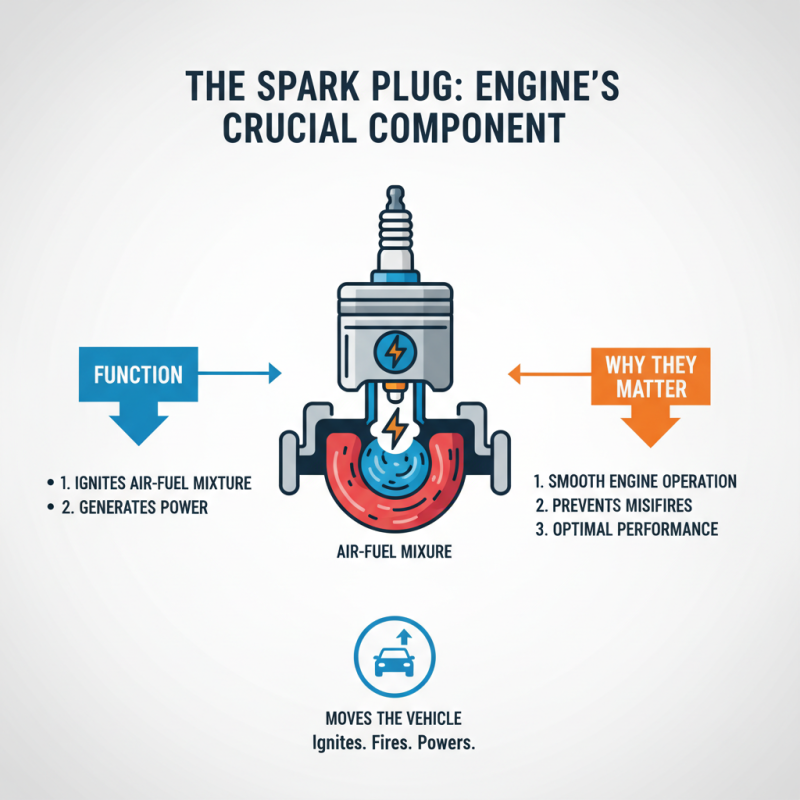
Spark plugs are small yet crucial components in internal combustion engines. They ignite the air-fuel mixture, allowing engines to run smoothly. Without them, engines face misfires, poor performance, and even complete failure. Spark plugs create a spark, firing the fuel and air mixture. This process generates power to move the vehicle.
Moreover, the importance of spark plugs cannot be overstated. They are often overlooked during routine maintenance. A worn or dirty spark plug can lead to increased fuel consumption. It can also produce harmful emissions. Drivers might notice a rough idle or decreased acceleration. These signs often suggest a spark plug issue. Regular checks can help prevent costly repairs.
Yet many people ignore the maintenance of spark plugs. They may not realize their engine's efficiency relies heavily on these small parts. It’s easy to forget, but paying attention to spark plugs is vital for engine longevity. Neglect can lead to bigger problems down the line. Just a small component can have significant impacts.
How Spark Plugs Ignite the Air-Fuel Mixture
A spark plug is a crucial component of an internal combustion engine. It ignites the air-fuel mixture, enabling combustion to produce power. The efficacy of spark plugs, particularly the V12 spark plug, is vital for engine performance. They create a spark of electricity, typically around 12,000 to 45,000 volts, which ignites the compressed air-fuel mix in the combustion chamber.
When the air-fuel mixture is compressed, it must reach a specific temperature for ignition. Spark plugs initiate this explosion through their electrical discharge. Studies show that the location and intensity of the spark play significant roles in combustion efficiency. An ideal ignition leads to a more complete burn, reducing emissions and enhancing power. However, if a spark plug is worn or misfiring, it can lead to incomplete combustion. This can cause a significant drop in horsepower and fuel efficiency.
Moreover, factors such as temperature and pressure can affect the spark plug's performance. Reports reveal that under extreme conditions, spark plugs might fail to ignite the air-fuel mixture effectively. This creates challenges for engineers. It's essential to regularly check spark plugs, especially the V12 spark plug types, for optimal performance. Regular maintenance can save time and money in the long run, yet many overlook this simple task.
Understanding the Components of a Spark Plug
A spark plug is a crucial component in an internal combustion engine. Understanding its parts helps clarify its function. Each spark plug consists of a central electrode, a ceramic insulator, and a metal shell. The central electrode is made of durable materials to resist extreme temperatures. The ceramic insulator prevents short circuits and helps maintain ignition performance.
Research indicates that spark plugs can operate under harsh conditions, withstanding temperatures over 1,000°F. The gap between the electrode and the ground strap influences ignition timing. A narrow gap can cause misfires, while a wider gap can lead to inefficient combustion. A key aspect to consider is that regular inspections can help catch wear and tear early.
While spark plugs are designed for longevity, they do require maintenance. Neglecting to check them can lead to engine problems. Industry data shows that, on average, spark plugs need replacement every 30,000 to 100,000 miles, depending on usage. Factors like fuel quality and driving conditions can accelerate wear. Understanding these elements can prevent costly repairs and improve engine performance.
Types of Spark Plugs and Their Applications
When it comes to spark plugs, several types exist, each tailored for specific applications. One common type is the Copper Core Spark Plug, known for its excellent conductivity and cost-effectiveness. It is widely used in standard gasoline engines. Industry reports indicate that around 35% of vehicles use this type. However, copper plugs wear out faster, typically needing replacement every 20,000 to 30,000 miles.
Another popular option is the platinum spark plug. This type offers better longevity, lasting up to 100,000 miles. This durability makes it ideal for modern vehicles with advanced ignition systems. Approximately 40% of new cars come equipped with platinum plugs. They can provide improved fuel efficiency but may be more expensive upfront.
Lastly, iridium spark plugs, like the V20 Spark Plug Spark Plug, are gaining traction. They are highly durable, reducing the frequency of replacements. Reports show that iridium plugs can perform effectively for over 120,000 miles. However, their premium price can be a drawback for budget-conscious consumers. The choice of spark plug can impact engine performance, making it essential to consider the application carefully. Each type has its pros and cons, and consumers need to weigh these factors.
Types of Spark Plugs and Their Applications
This chart illustrates the average lifespan of different types of spark plugs measured in miles. Standard spark plugs typically last around 30,000 miles, while Iridium And Platinum Plugs can last up to 50,000 and 60,000 miles respectively. Copper plugs, on the other hand, have a shorter lifespan of about 20,000 miles.
Common Issues and Maintenance Tips for Spark Plugs
Spark plugs are crucial components in gasoline engines. They ignite the air-fuel mixture, powering your vehicle. However, they can encounter various issues that affect performance and fuel efficiency. Common problems include fouling, wear, and incorrect gaps. Fouling occurs when deposits build up on the plug, preventing proper ignition. The average lifespan of a spark plug is approximately 30,000 to 100,000 miles, depending on the type used.
Maintenance can greatly extend spark plug life. Regularly check and replace spark plugs as needed. Using the right type is essential. Hot spark plugs work better in high-performance engines, whereas cold spark plugs are suited for lower temperature applications. This choice impacts how effectively the engine operates. Keeping an eye on these factors may prevent costly repairs down the line.
Here are some tips for maintaining your spark plugs:
- Inspect plugs regularly for wear and fouling.
- Ensure the ignition system is functioning correctly.
- Replace with the correct heat range for your engine type.
By following these simple guidelines, drivers can safeguard engine performance and enhance fuel efficiency. It’s easy to overlook spark plugs, but doing so is a costly mistake.
Replacing Spark Plugs: A Step-by-Step Guide
Replacing spark plugs can seem daunting at first. However, with the right tools, it's quite straightforward. You'll need a socket wrench, a spark plug socket, and a torque wrench. Gather all your materials before starting. It helps to have a clean workspace.
Begin by disconnecting the battery. Safety is key here. Remove the ignition wires gently to avoid damage. Take out the old spark plugs using the spark plug socket. Check their condition and note any signs of wear or oil. This might indicate other issues in the engine.
Tip: Always replace spark plugs in pairs or sets. This ensures your engine runs smoothly. Take your time when installing the new plugs. Make sure they are tightened properly, but not over-tightened. Over-torquing can damage the threads.
Next, reconnect the ignition wires carefully. Double-check each connection. Take a moment to inspect your work before finishing up. Listening for odd noises when starting the engine can also give clues to a job well done. You may still need to adjust or revisit a spark plug if issues arise.
FAQS
: Many products in this category offer durability, user-friendly designs, and versatile functionality.
Regular cleaning and proper storage help. Avoid extreme temperatures or harsh chemicals.
Yes, it often adapts well to various settings. However, consider specific conditions for optimal performance.
Consult the user manual or customer support. Troubleshooting steps can often resolve common problems.
Many products do come with warranties. Check the purchase details to understand coverage duration.
Always follow usage instructions. Avoid misuse to prevent accidents or damage.
Availability varies by product. Research local resources or online stores for specific components.
Some believe all products are the same. However, quality and performance can vary greatly.
It may excel in certain areas, but limitations exist. Research helps in making informed choices.
Users appreciate functionality but often mention room for improvement. Personal experiences vary widely.
Conclusion
A spark plug is a crucial component in internal combustion engines, serving as the ignition source that initiates the combustion process. It operates by sending an electrical spark to ignite the air-fuel mixture within the engine's combustion chamber. Understanding the various components of a spark plug, including the ceramic insulator and electrode, is essential for appreciating its functionality.
Different types of spark plugs exist, each tailored for specific applications ranging from standard gasoline engines to high-performance vehicles. Regular maintenance and the ability to identify common issues, such as fouling or wear, are key to ensuring optimal engine performance. Replacing spark plugs is a straightforward process, typically involving a step-by-step approach to remove and install them properly. Ultimately, maintaining spark plugs is vital for the longevity and efficiency of internal combustion engines.